
By Jibran Karim
NAP Contributor

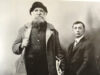
Frank S. Matsura. Matsura using multiplying camera photo.
The Nippon Kan Theatre in the Chinatown-International District in Seattle is a theatre built on history. It is a touchstone of the Japanese community that has been around since 1909. A few years ago, it underwent renovation to hold more events and to be used as a space for the Japanese community and its associates. Recently, it provided an opportunity to teach a wider audience about a specific Japanese man, Mr. Frank Matsura.
As a Japanese immigrant who came to America at the start of the 1900s, Matsura built connections with American settlers of all types who were getting their bearings in the Northwest, as well as the Native Americans of the Okanogan territory. A charismatic and joyful man, he was an excellent photographer. Matsura took pictures that captured the purest version of a person’s self as well as the beautiful landscapes around him.
The event was catered with tasty sushi, karaage, and various foods for participants. Many from the Japanese community as well as those connected with it, attended this showing.
The producer, Beth Harrington, answered questions from the audience after the presentation along with others who worked on the production and the event. “He was someone who was very brave … coming to a new land. I wanted more people to learn about him,” she explained when asked about why she worked on the film. The film was meant to honor and tell others about Frank Matsura. It took many years to shoot as many scenes were filmed in the Okanogan territory. Harrington commented that, “Just like Frank Matsura, we had to build up trust and create a relationship with the community. Our Mr. Matsura is a story about the people who were affected by him … just as much as it is about him.”

Beth Harrington, filmmaker. Photo credit: Jibran Karim.
The film was excellent and will be touring around the Northwest. It has already been shown in the Okanogan territory to the people whose ancestors were directly affected by and who cared about Mr. Matsura. It has also been shown in Bellingham and Vancouver, Washington treading across the state like Matsura himself. Harrington plans to continue showing the documentary to as many people as possible. “The hope is that in a year, we can get it in some form on television … ”
While not yet on television, there will still be other opportunities to view the film. Though the life of Matsura was not simple, his demeanor, photography, and connections can offer us a chance to learn from him even now.